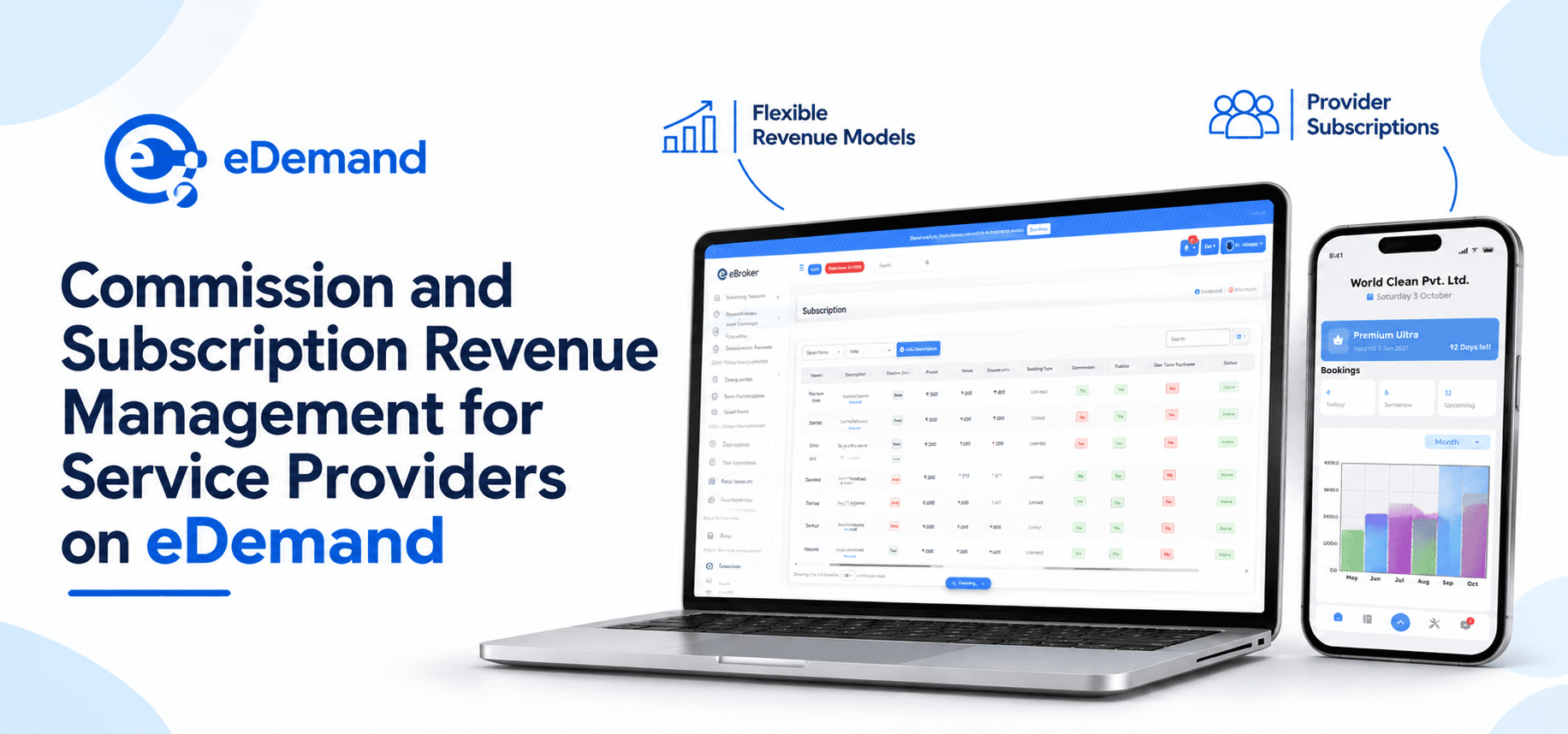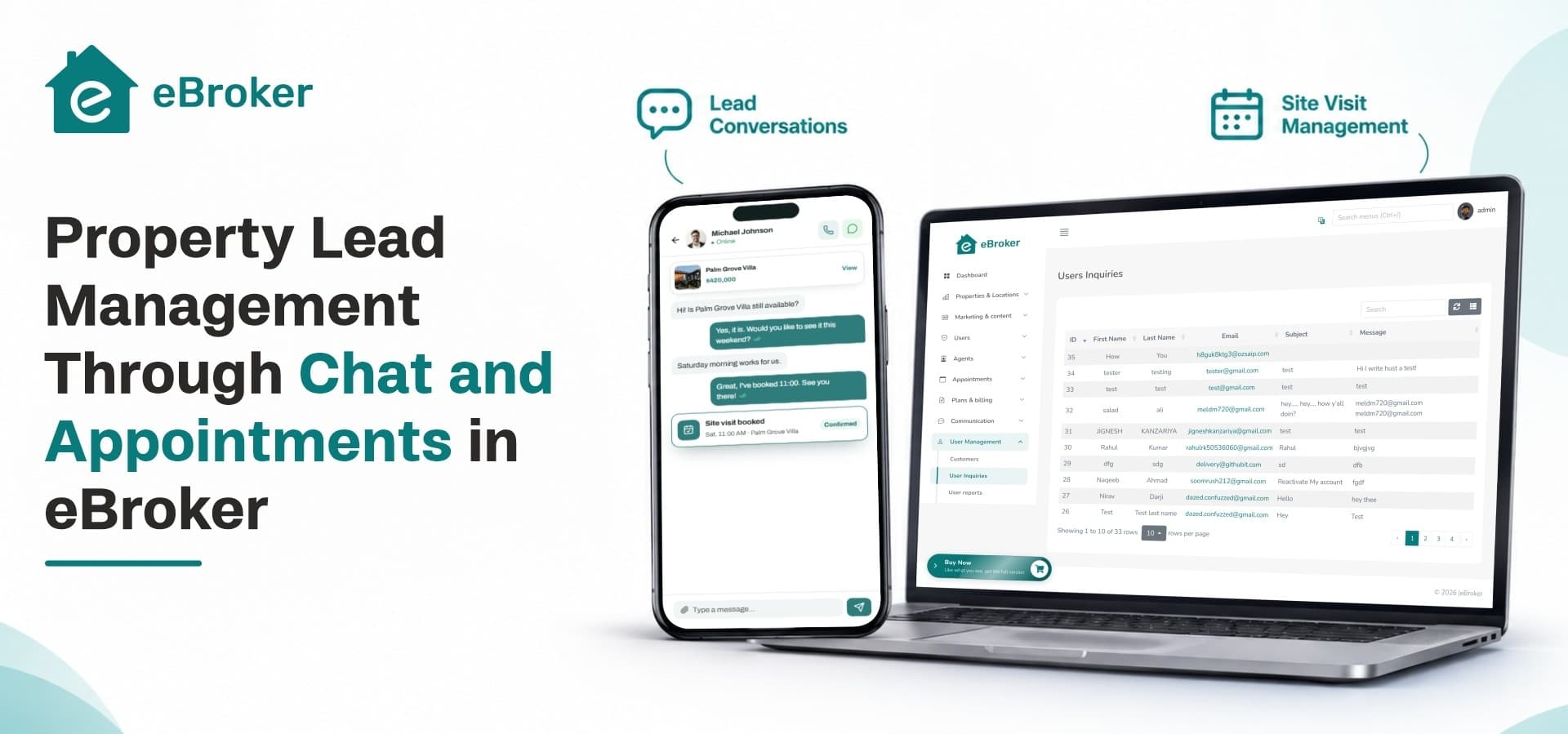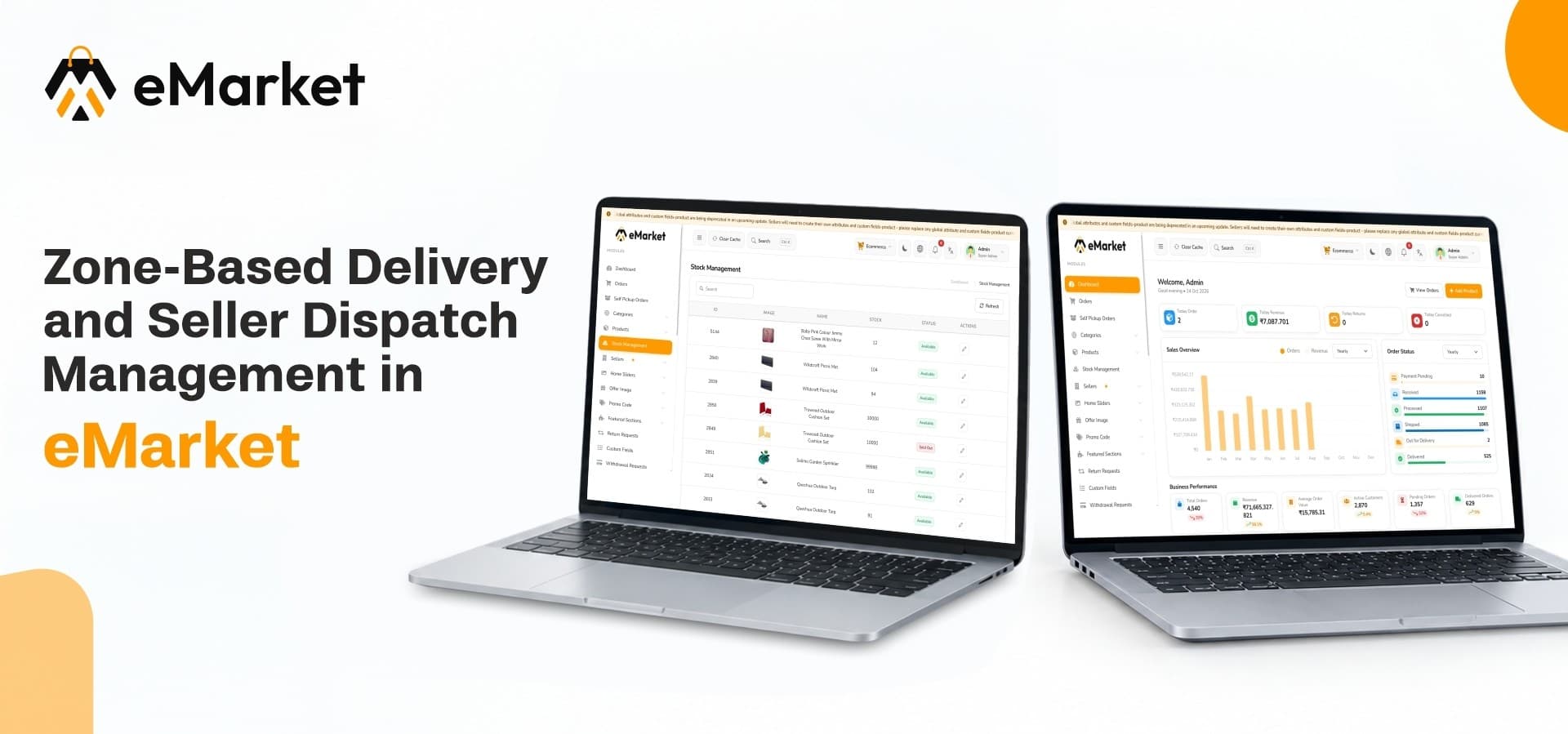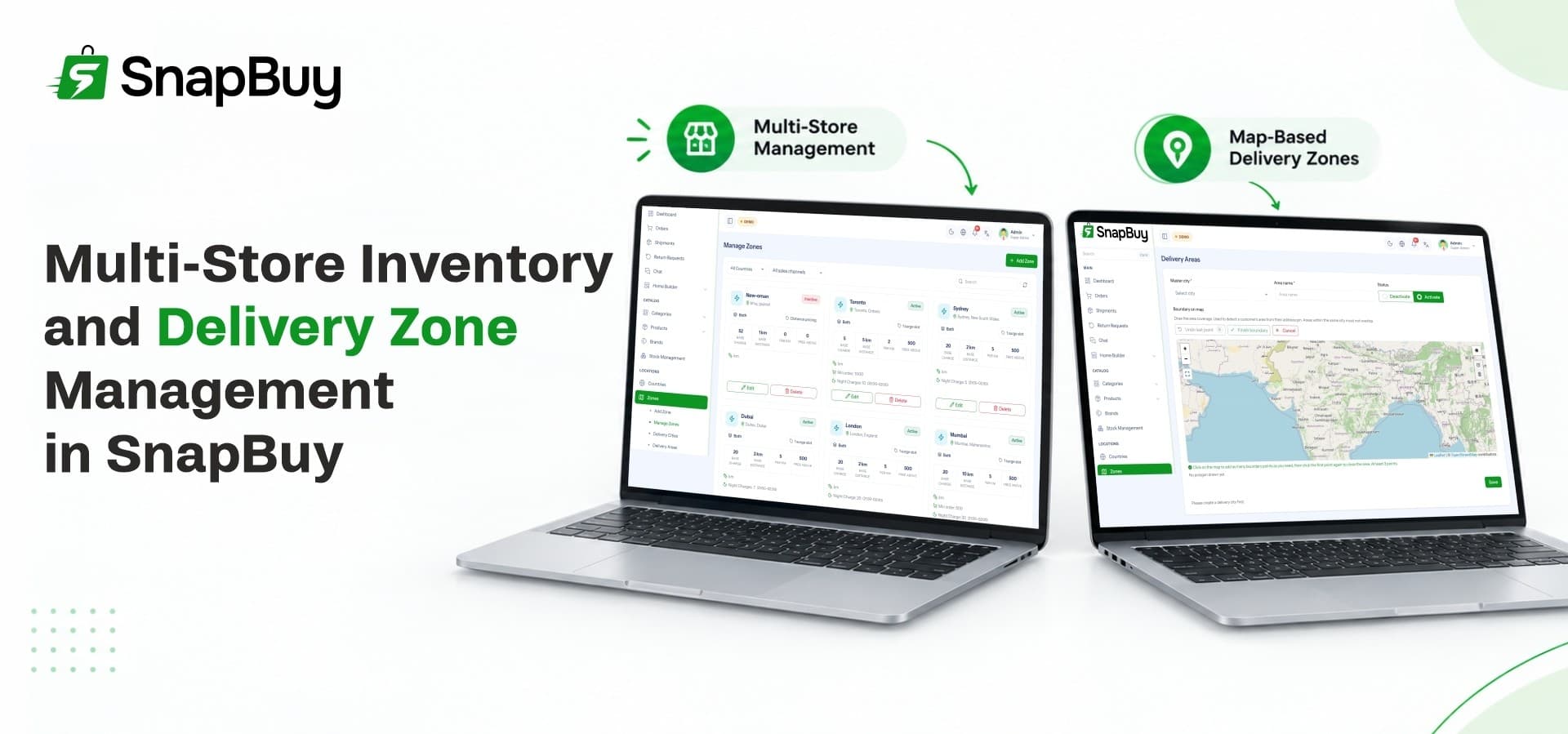
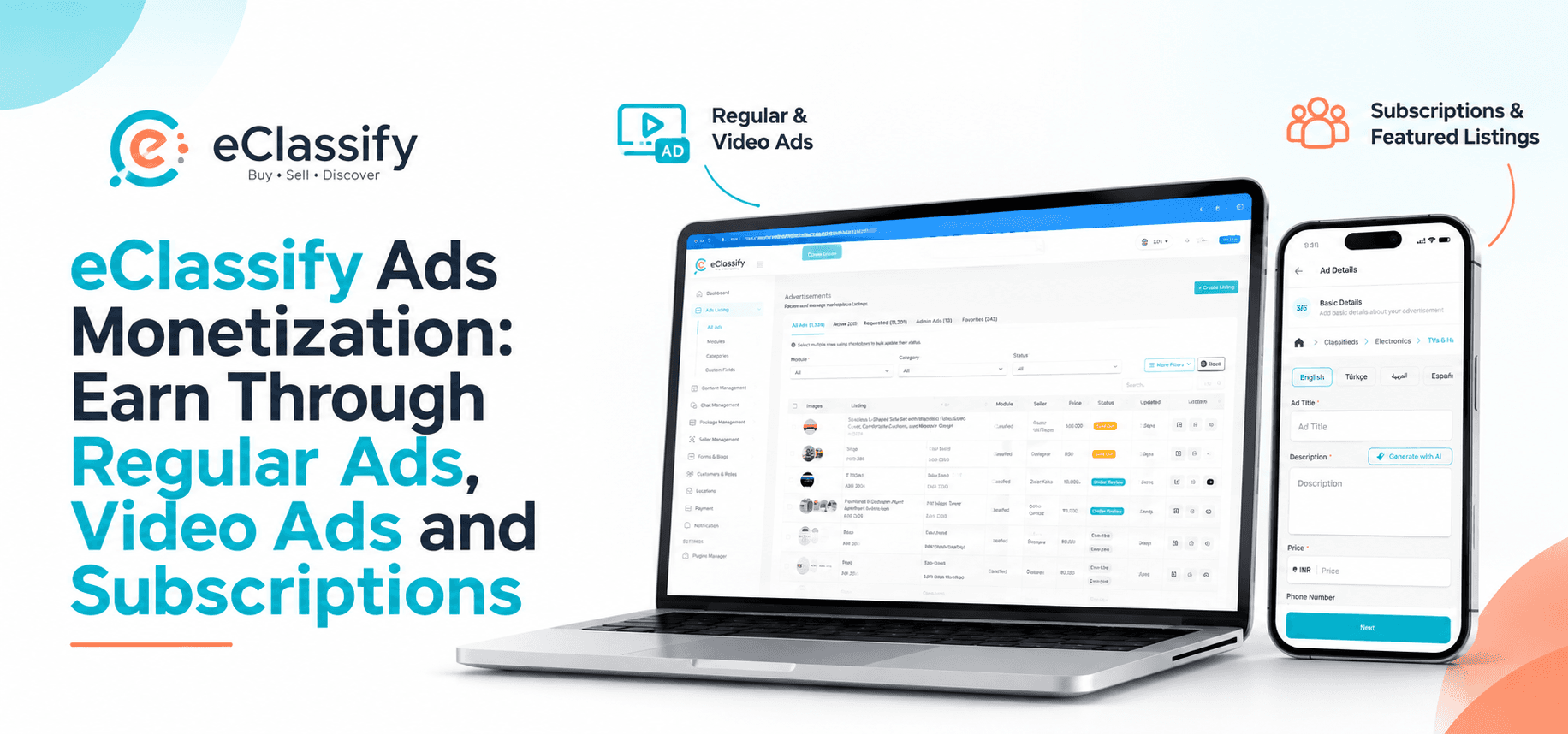
Traffic alone does not pay the server bill. Every owner of a classifieds platform eventually asks which parts of the marketplace should earn money, and how to charge without pushing sellers away. eClassify answers this with built-in revenue tools: regular ads, video ads, featured placements, subscriptions, banners and third-party ad networks.
This guide explains how ads monetization works inside eClassify, how the two ad types differ, and how to combine them into a steady income mix.
1. How eClassify Turns Marketplace Activity Into Revenue
Revenue is built into the product
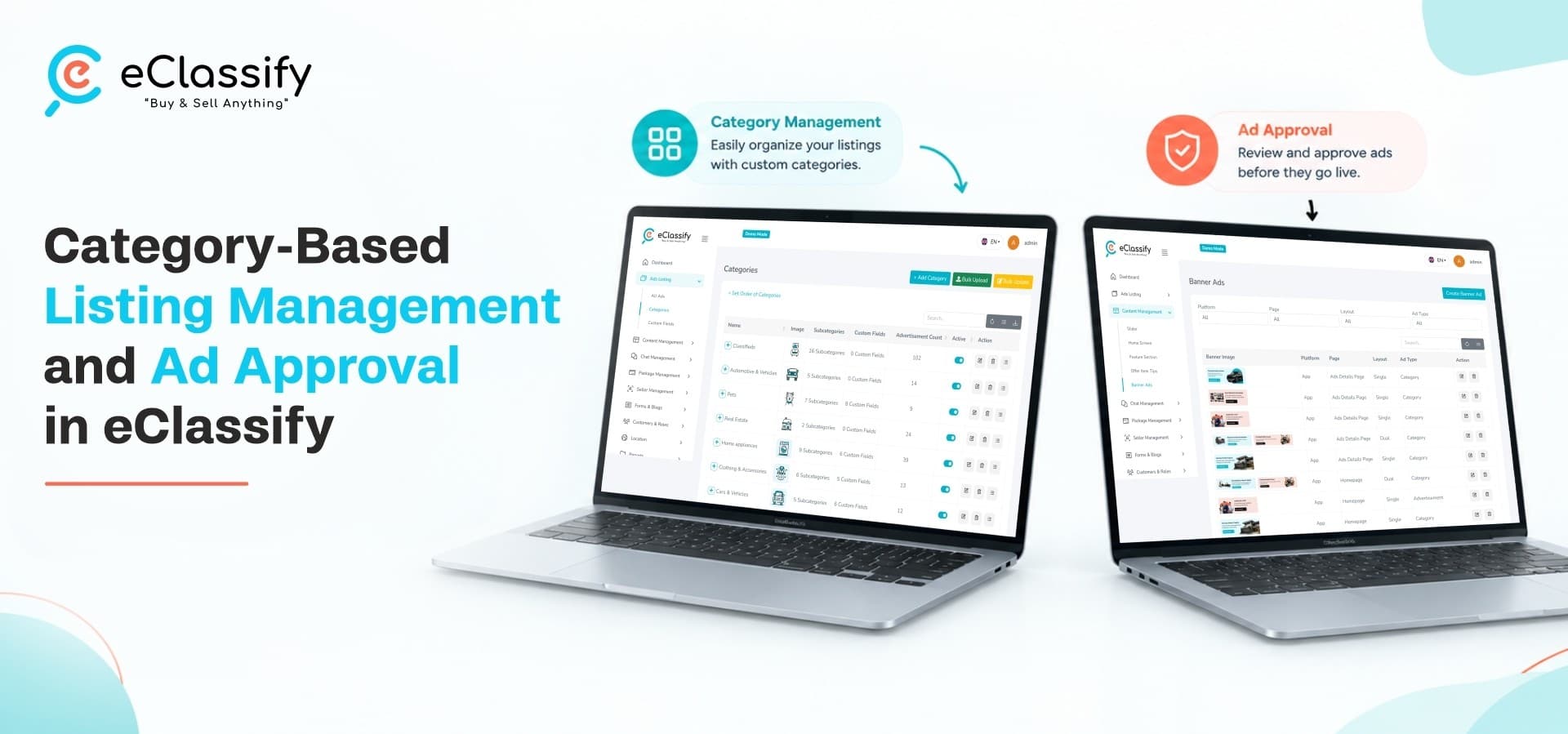
You do not need to bolt on plugins or custom code to start earning. The admin panel includes advertisement management, banner management, payment and transaction tracking, and seller management in one place. Each time a seller posts, promotes or subscribes, there is a matching way for the platform to earn.
The four income streams at a glance
-
Listing revenue: charges for ads beyond free posting limits, plus paid featured placement.
-
Subscription revenue: monthly or yearly seller plans, including category-specific pricing.
-
Network and direct advertising: Google AdMob, Google AdSense and banners sold directly to partners.
-
Premium seller packages: bundles of listing credits, featured ads and extended visibility.
The sections below cover each stream, starting with the ad types sellers actually create.
2. Regular Ads: The Foundation of Your Income
What a regular ad includes
A regular ad is the standard listing: photos, a title, a description, a price, a category and a location. Most of your inventory will be this type, and it is what draws buyers in day to day. Strong ad revenue begins with a steady supply of these listings, so keep the entry barrier low.
Free limits and paid extras
A common approach is to let every seller post a set number of ads for free. Sellers who go past that limit can pay per listing or move to a plan. Free posting builds the supply that attracts buyers, and paid options capture value from your most active sellers.
Featured and premium placement
Sellers who want faster results can promote a regular ad so it appears higher in search results, on category pages and in homepage slots. This is one of the easiest upsells to explain. A seller selling a used car or a rental flat understands immediately why top placement is worth paying for.
3. Video Ads: A Richer Format Sellers Will Pay For
Why video changes buyer behavior
A photo shows what an item looks like, while a short video shows how it works. Buyers of cars, bikes, electronics and furniture want proof before they call, and video answers that in seconds. That makes the video format a natural premium product for your marketplace.
How video ads differ from regular ads
eClassify supports video ads as a separate showcase format alongside regular ads. The practical differences for you as the owner are:
-
Richer presentation: the listing carries motion and detail that static images cannot.
-
Higher perceived value: sellers see video as a step up, so it supports a higher price point.
-
Better buyer trust: a clear video reduces back-and-forth questions and fake-listing doubts.
Ways to position video ads commercially
You decide how to price the format. Some owners bundle video into higher-tier seller plans. Others combine a video ad with featured placement as a single "best visibility" offer. Start with one clear offer, watch how sellers respond, and adjust from there.
4. Subscription Plans and Seller Packages
Category-based pricing
Not every category is worth the same to a seller. A property agent or car dealer earns far more per sale than someone selling a used phone. eClassify lets you set different subscription fees per category, so vehicles, real estate, jobs and electronics can each carry a fair price.
Premium seller packages
Packages bundle listing credits, featured ads and extended visibility into one purchase. For sellers, the value is simple and predictable. For you, packages create repeat purchases and make monthly income easier to forecast.
Keeping sellers loyal
Features such as verified seller badges, follower options and seller reviews give subscribers a reason to stay. A paying seller who builds a reputation on your marketplace is less likely to leave for a competitor.
5. Banner Ads and Third-Party Ad Networks
Passive income from AdMob and AdSense
Not every earning needs a seller to pay. eClassify supports Google AdMob and Google AdSense, so ad impressions on your app and website can add income without any work from sellers. This works well as a base layer once your traffic grows.
Direct banner partnerships
The banner management tools let you sell placements directly to local businesses. A furniture store, a car dealership or a coaching centre may pay more for a fixed banner than a network would pay per impression. Location-based sliders help you offer region-specific placements, which makes the pitch easier.
Balancing ads and user experience
An online classified platform lives on trust, so too many ad slots can drive buyers away. Start with a few well-placed banners, track engagement in the analytics dashboard, and add more only if the numbers hold steady.
6. Collecting Payments Without Friction
Gateways for global sellers
Monetization only works if paying is easy. eClassify supports PayPal, Stripe, Razorpay, Paystack, PhonePe, Flutterwave and bank transfer. Two optional add-ons, Cashfree and PayU, are available at $10 each if your audience prefers those gateways.
Multi-currency and tracking
A modern classified ads platform often serves buyers across regions, so multi-currency support matters. The admin panel's payment and transaction management gives you a clear record of every promotion, plan and package sold. That makes reconciliation and reporting far less stressful.
7. Building Your Revenue Mix Step by Step
Here is a simple order to follow, so you do not overwhelm sellers on day one:
-
Launch with free regular ads to build listing volume and buyer traffic.
-
Add paid featured placement once the first categories show steady activity.
-
Introduce video ads as a premium format for high-value categories like vehicles and property.
-
Roll out category-based subscriptions when repeat sellers appear.
-
Switch on AdMob or AdSense as traffic grows, and sell direct banners to local businesses.
-
Review analytics monthly and adjust prices, limits and placements.
This staged approach protects supply early and adds income layers as the marketplace matures.
8. Where eClassify Fits
eClassify gives you the full monetization toolkit in a single package: Flutter apps for Android and iOS, a web platform and a Laravel admin panel. If you plan to buy classified ads script source code, the revenue features covered here are ready to use rather than a development project. Regular license buyers get all premium features, while the extended license adds ready-to-launch configuration and dedicated support.
To see how monetization connects to the bigger picture of positioning, categories and local growth, read our guide on running a local classifieds marketplace on eClassify.
Ready to start earning from your own marketplace? Explore eClassify, view the live demos and choose your license here: eClassify - Classified Ads Marketplace